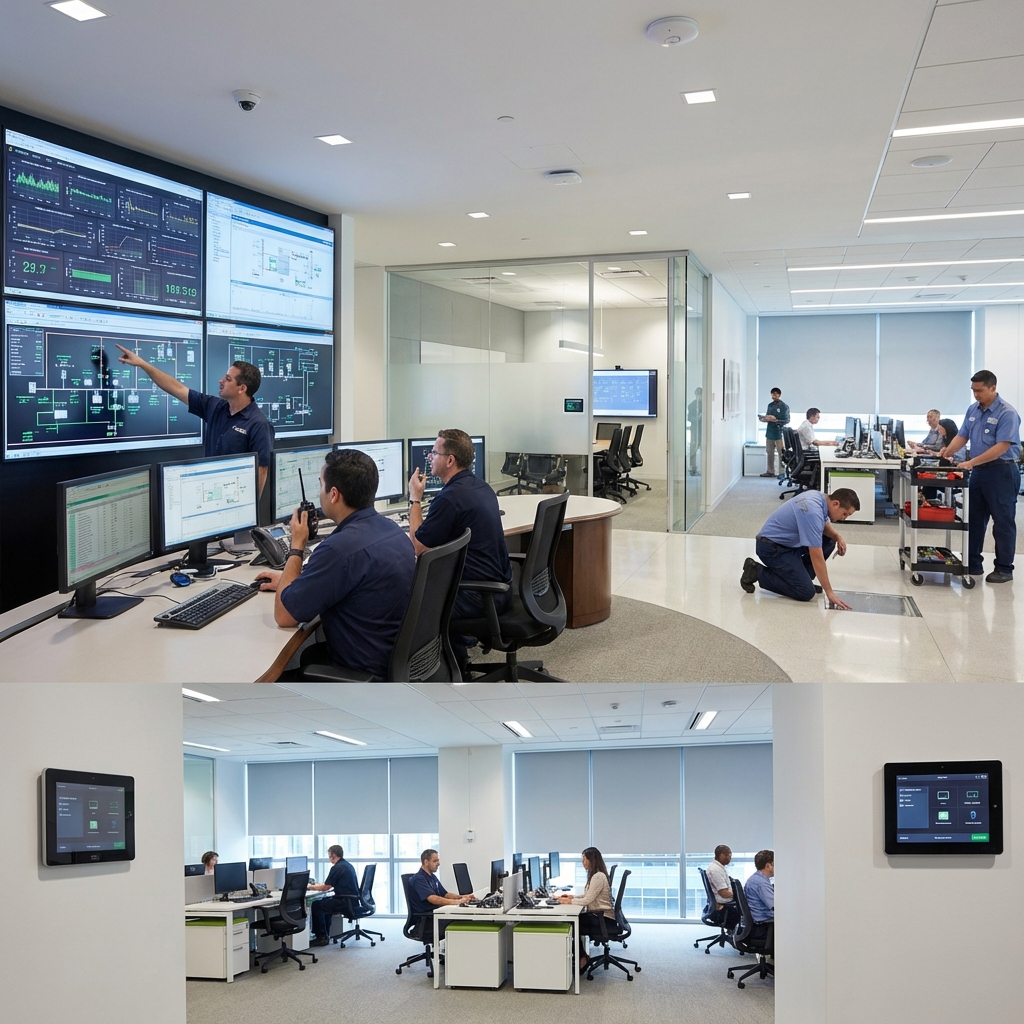
Facility management helps businesses improve efficiency, reduce costs, and maintain safe, productive work environments. It ensures smooth operations by managing maintenance, assets, and workplace systems, allowing companies to focus on core business activities while improving long-term performance.
In today’s competitive business environment, operational efficiency is no longer optional it is essential. One of the most overlooked yet powerful drivers of efficiency is facility management.
Facility management is not just about maintaining buildings. It is about creating a workplace that supports productivity, reduces costs, and enables growth.
Facility management is the coordination of people, processes, and physical spaces to ensure smooth business operations. It includes:
Its goal is simple: make the workplace work for the business.
One of the biggest advantages of facility management is cost efficiency.
Businesses can reduce operating costs by up to 15–30% with proper facility management
A well-managed facility ensures everything runs smoothly:
This leads to faster workflows and fewer disruptions.
Without facility management, teams often get distracted by operational issues.
With proper systems in place:
Facility management allows businesses to concentrate on what they do best.
Safety is critical for any organization.
Facility management ensures:
This reduces legal risks and protects employees and assets.
A well-maintained workplace directly impacts employee performance.
Poor facility conditions can lower morale and increase employee turnover.
Facility management ensures proper tracking and maintenance of assets such as:
Regular maintenance extends equipment lifespan and reduces replacement costs.
Modern facility management uses technology to track:
This enables smarter business decisions and better financial planning.
Unexpected failures can disrupt operations.
Facility management ensures:
This is critical for companies operating at scale.
A well-maintained facility creates a positive impression on:
Poor infrastructure, on the other hand, can damage credibility and trust.
Facility management supports sustainability goals by:
This not only reduces costs but also aligns with global environmental standards.
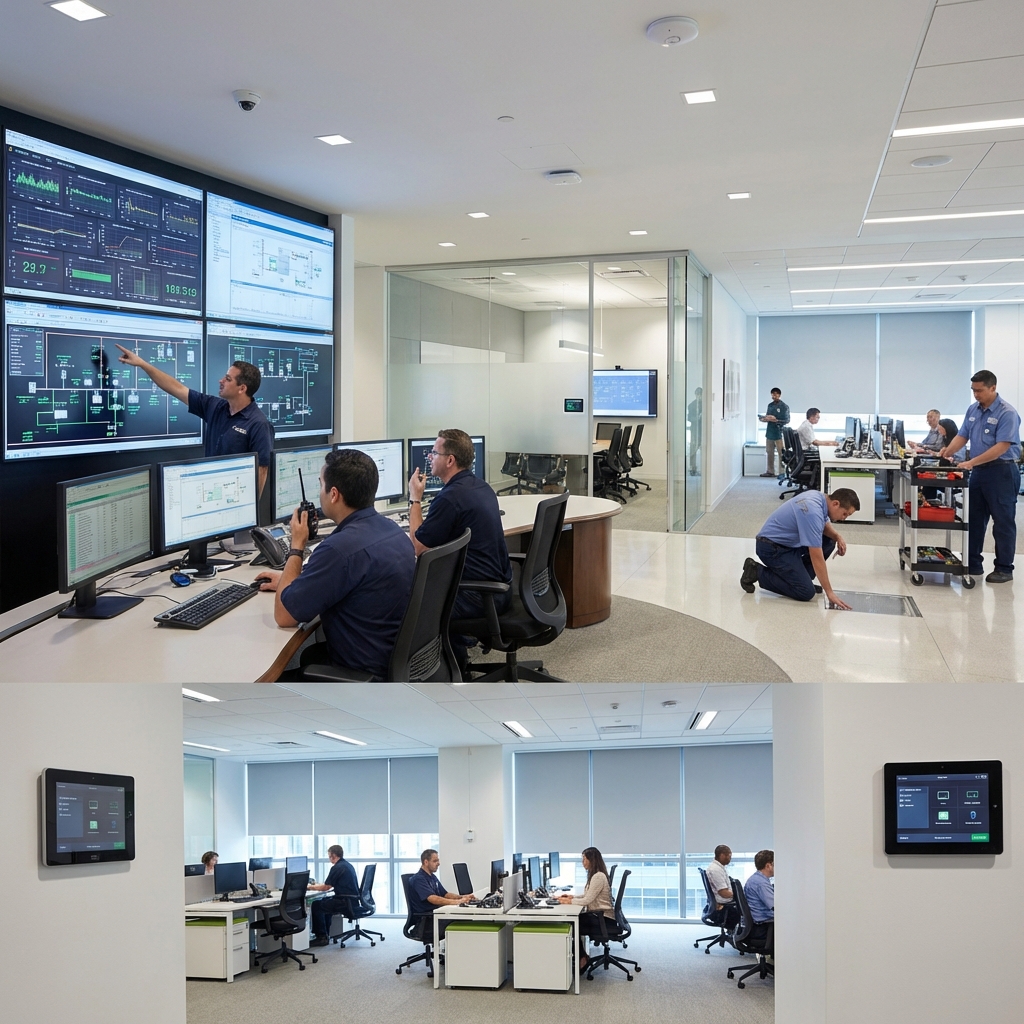
businesses often overlook structured facility management, leading to:
As industries grow and competition increases, adopting facility management can:
For startups and SMEs, this can be a major advantage.
Facility management is becoming a critical global industry, projected to grow significantly due to:
Businesses that invest early gain a strong operational advantage.
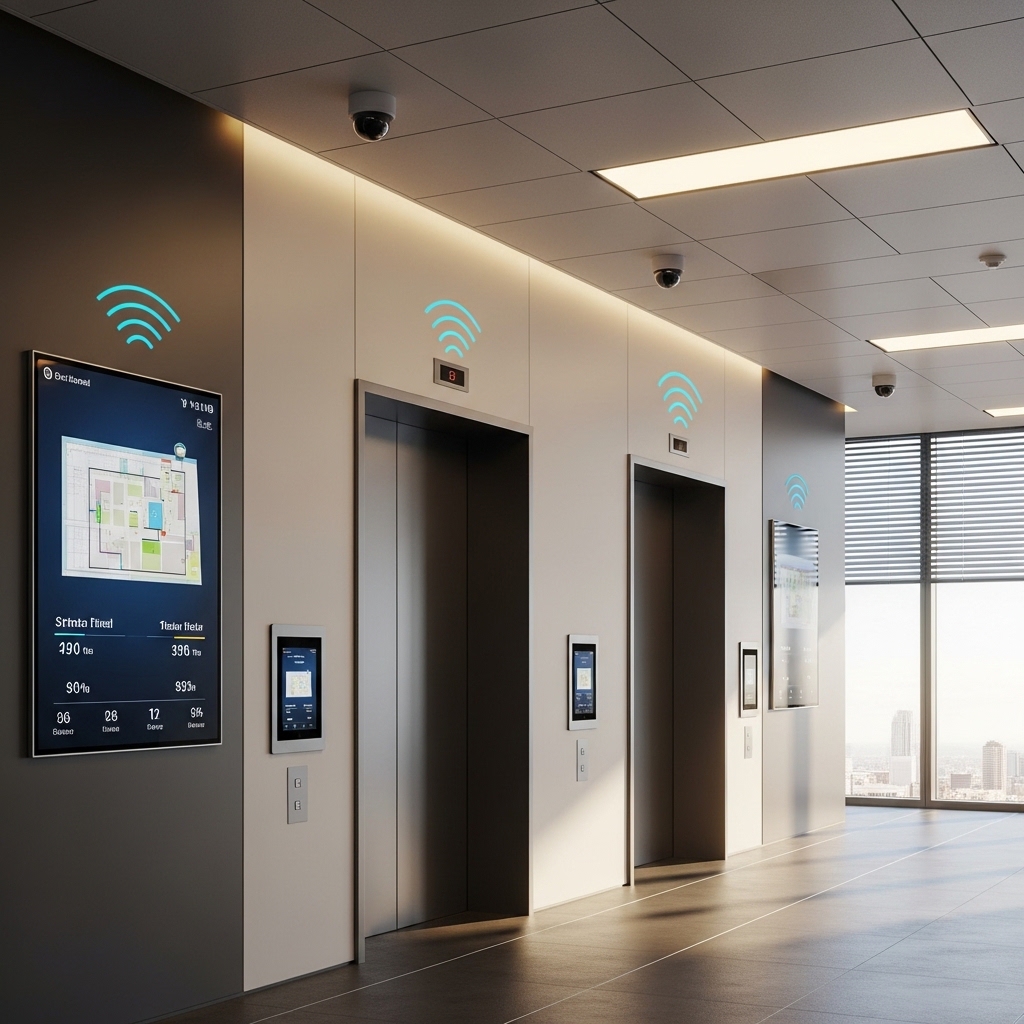
The future of facility management will be driven by:
Companies that adopt these technologies will operate faster, cheaper, and more efficiently.
Facility management is no longer just a support function. It is a strategic business advantage.
From reducing costs to improving productivity and ensuring safety, its impact is far-reaching.
Businesses that invest in structured facility management are not just maintaining their operations they are building a foundation for long-term growth.